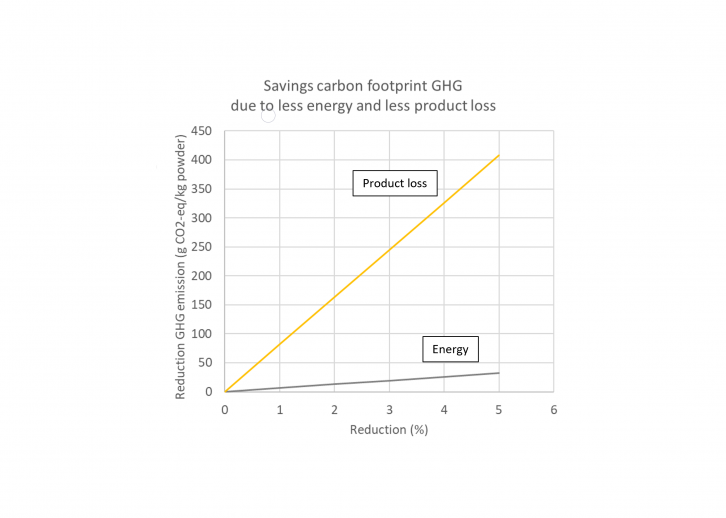
Sustainability is driving the protein transition, which continues to gain global traction. But for long-term success, it must also offer economic benefits for manufacturers. In a world of volatile energy markets and legislative efforts to reduce greenhouse gases, manufacturers are seeking ways to decrease production costs and enhance the value of alternative proteins. However, according to Kevin van Koerten, Project Manager Processing at NIZO, another approach could be empowering sustainability by employing innovative processing and sequential extraction and purification to increase the value of alternative proteins.
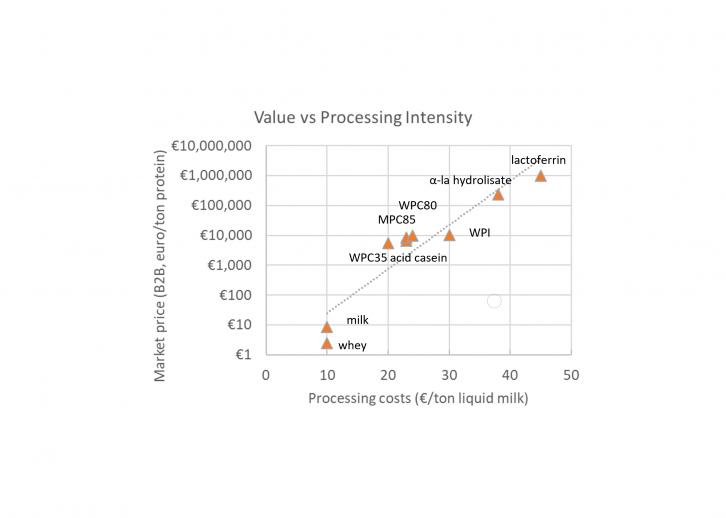
So, how do you increase the value of a plant protein? It all begins with functionality. The conversation on protein value must revolve around the functional properties as food product development depends on them. The dairy industry demonstrates that while more functional proteins cost more to extract, their market value rises exponentially. Sequential purification involves extracting different types of proteins from a protein source, allowing maximal value extraction while reducing waste and product loss.
Plant protein manufacturers are taking the first steps towards optimising processing design, extracting multiple proteins with different functionalities from a single source. However, there is still much work to be done to identify and extract all different proteins and optimize the process design. Each alternative protein source presents its own unique challenges that must be addressed.