Credit: CC0 Public Domain
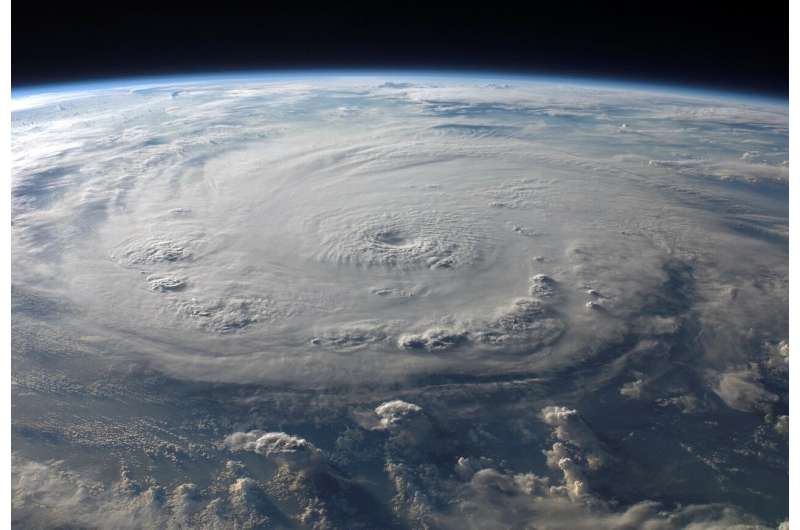
This year, the Atlantic Ocean and El Niño battled it out to see which weather phenomenon would dominate the cyclone season. The winner? The record-hot Atlantic Ocean!
“The record-warm Atlantic triumphed,” stated Phillip Klotzbach, a meteorologist and scientist at Colorado State University. “It wasn’t that the El Niño wasn’t there and didn’t have some effects, they simply didn’t extend internationally like it typically does.”
High sea surface temperatures are linked to more frequent and intense storm activity, and El Niño usually brings cooler temperatures to the Atlantic that inhibits storm development.
The clash of these two major factors in 2023 was unprecedented. By meteorological standards, the hot Atlantic came out on top, based on the number and strength of storms this active season. Even El Niño guided most storms away from landfall in South Florida.
As the six-month storm window officially comes to a close, it marks the end of another above-average cyclone season. By August, NOAA and others already predicted an above-average season after initially expecting a below-average season. The last count was 20 named storms, 7 hurricanes, and 3 major hurricanes—more than a typical season.
Just one hurricane made landfall in the U.S. this year, Category 3 Hurricane Idalia, which struck Florida’s Big Bend area with minimal damage and a low death toll thanks to efficient evacuations and luck.
The U.S. also experienced landfall from hurricanes Harold and Ophelia in Texas and North Carolina, respectively.
This year marked the first time since 2014 that South Florida didn’t fall under any “cone of uncertainty” for a hurricane or typhoon.
“It was one for the books,” Klotzbach said, “but overall a benign season.”
In a typical El Niño year, there are usually fewer storms due to increased wind shear in the Atlantic. Yet in 2023, the hot temperatures in both the Atlantic and Pacific nullified this effect, resulting in more powerful and longer-lasting storms.
