By Leonard Hyman & & William Tilles – Dec 02, 2023, 4:00 PM CST
- Simply taking a look at where coal fired power generation is being included we see a big divide in between Asia versus the United States and Western Europe.
- China has actually licensed an extra 100 brand-new power stations in 2023.
- We believe it’s an error to presume that Asia will start to wean itself off of coal-fired power as the United States and Europe have actually started to do.
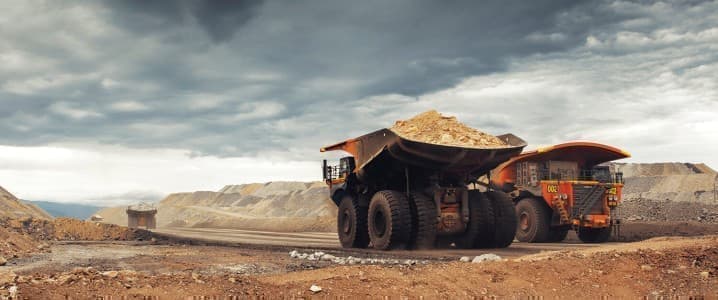
Difficult to think, however some international mining and trading homes have actually been hard at work attempting to develop their coal holding, particularly coal predestined to steel mills. Today we wish to have a look at worldwide coal use however with referral primarily to the production of electrical power. There are 3 associated concerns here. Who is still developing brand-new coal plants; what areas have the most running coal plants; and where are coal plants really being retired.
Simply taking a look at where coal fired power generation is being included we see a big divide in between Asia versus the United States and western Europe. Over the previous twenty years China has actually quintupled its coal-fired power generation from 200,000 to over 1 million megawatts set up. And China has actually licensed an extra 100 brand-new power stations in 2023 according to Reuters. China is not alone in this coal plant building mini boom. India, which has actually experienced weak hydroelectric accessibility, is likewise preparing to increase future coal capability by over one 3rd as is Southeast Asia. And unlike the United States and Europe, none of these areas prepare a considerable degree of plant retirements. If we think all these incremental coal plants will be in service for a while, then it’s safe to state that coal need in these areas will stay robust. China, India and Southeast Asia take in 70% of the world’s coal production, while the United States and Europe take in just 10%. Those numbers reveal where the action is.
Let’s put this need in the context of what we call the energy trilemma, which asserts that all nations desire energy that is ecologically benign, has a safe and secure supply, and is budget friendly. In many scenarios, any mix of 2 aspects prevents the 3rd. Take coal. It is “protected” because nearly every country has commercially offered access to coal or lignite either locally or close by. The energy produced is economical because the power plants can be fairly economical to develop and the resulting power offered inexpensively. Coal-powered energy is both protected and budget-friendly however undoubtedly not ecologically benign. Now presume we wished to make the most of the 2nd and 3rd worths, produce energy for the economy that is both ecologically benign and budget-friendly. That leads us to sustainable innovations like wind and solar– both extensively made use of– however an unique dependence on these periodic resources (in the lack of batteries) would compromise the security of supply.
The United States has actually been lowering its dependence on coal.
