The 36th annual Best of What’s New awards.
By
PopSci Staff
|
Published Nov 29, 2023 9:40 AM EST
We may earn revenue from the products available on this page and participate in affiliate programs. Learn more ›
Are you ready to find out the most groundbreaking innovations of the year? Here at Popular Science, we are presenting the innovations that made a significant impact on the world in 2023. From health and engineering to auto and aerospace, these innovations cover a wide range of industries, all striving to improve people’s lives and solve some of the most significant problems we face today.
Health
It takes time for scientists and drug makers to move the needle in medicine. But during public health emergencies like the pandemic, they need to act urgently without compromising safety, quality, and effectiveness. Take for example Opill. It’s the first over-the-counter birth control pill in the US, approved by the FDA in just 13 months. This is a shining example of urgent action without compromising safety. Additionally, the FDA approved extraordinary new treatments for RSV, Alzheimer’s, and muscular dystrophy this year, showing how medical breakthroughs can offset longstanding issues. The field of space medicine also took a significant step with a successful 3D printing experiment in microgravity.
Opill by Perrigo: The first over-the-counter birth control pill in the US
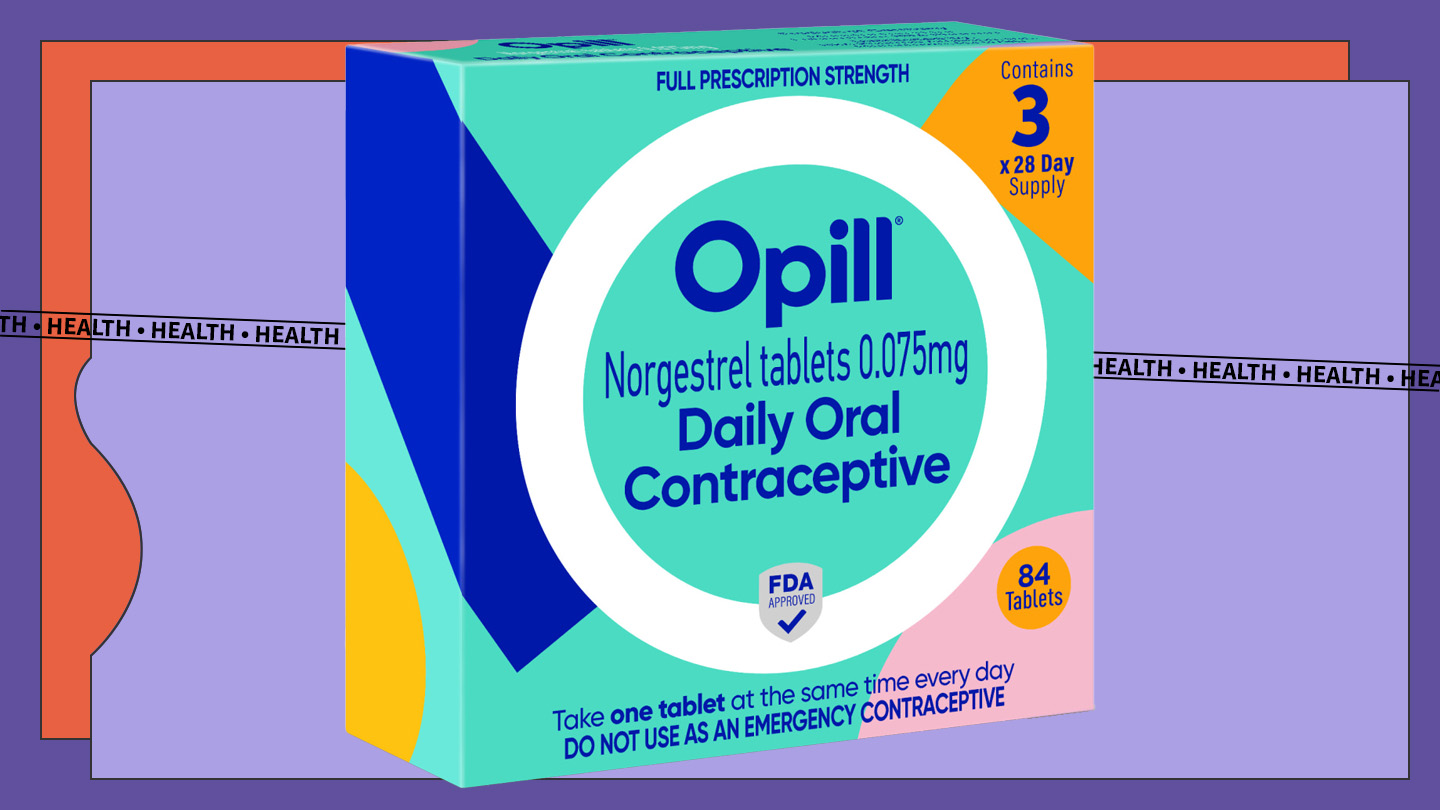
When Roe v. Wade was overturned in 2022, Americans were stripped of a crucial female reproduction right. But the release of an affordable birth control pill means that anyone can get contraceptives anywhere in the country. Opill is a progestin-only tablet that’s up to 98 percent effective when taken at the same time every day. The generic version, norgestrel, was developed by Pfizer and prescribed for decades. Perrigo purchased the license in 2015, rebranded the drug, and applied for nonprescription status just days before the US Supreme Court ruled against abortion. The contraceptive has a few nominal side effects, including nausea, headaches, and cramps, but shouldn’t cause disruptions like mood swings and weight gain.
